
I wanted to share some links with you about a trip I made to Lebanon nine years ago, and again the following year. During this trip, I discovered that only a handful of people had planted the idea of rescuing many at-risk families in Beirut, in the heart of Lebanon.
At a conference I attended in Bethesda, Maryland, a gentleman shared a compelling story with me that piqued my interest. You can find that story at this link. It details a tragedy, one often repeated in a world where equity and justice are often evasive realities, and how they, just a few individuals, addressed and at least partly remedied the injustice.
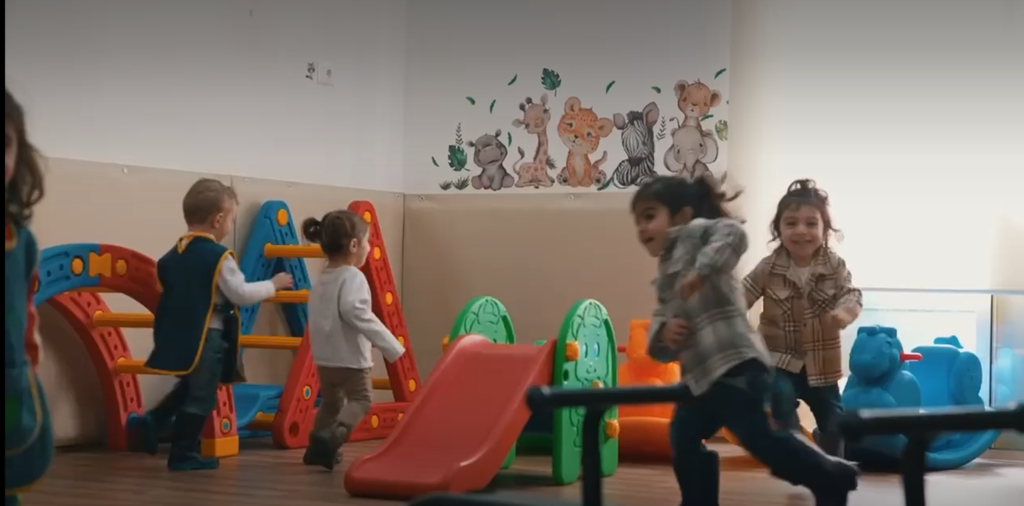
But the story is about more than the awful event; it highlights the tireless efforts of a few people who opened a childcare center and turned a hopeless situation into a beacon of light in a community marked by loss and trauma.
I’m also including a second link with a bit more information about these centers below. Compelled to participate in the remedy, I signed up to visit the program in Beirut.
The project leadership assigned tasks to the participants. Ironically,
I, as an American educator with over a decade of experience teaching in high-risk, high-need schools and using trauma-informed teaching practices, was asked to provide in-service training to the teachers on how to better meet their students’ needs.
I researched.
I reviewed best practices.
I prepared my slide presentations.
I practiced what I would say.
The Center had scheduled an “in-service meeting” to be held during an extended lunch break on the third day after my arrival. Other participants provided care for the children during the training.
But nothing prepared me for the excellent work that I saw among these staff members. The teachers loved and cared for the children in the gentlest manner I had ever witnessed. I realized right away that I was not the main event, despite what the billing said. I understood who was serving whom. They were serving me. The teachers, their students and children, and the families that were being cared for taught me more practical information in 10 days than I had gleaned in ten years of active learning.
I can tell you firsthand that the peace and love these children experience at these daycares are real. Not to mention the fact that the centers have done the work of accreditation, allowing these children to enter the public school system in Lebanon upon graduation from kindergarten, something for which many preschools that are affordable cannot claim.
The idea a handful of volunteers planted thirteen years ago has grown into a bumper harvest of over 1,550 children enrolled over the years, 35 local women who have jobs to run the Daycare Centers (now two of them), 3,100 parents who have participated in mentoring and support services, and over 49,200 meals and snacks served.
I hope you watch this link so that you can experience, at least in a small way, the peacefulness and love that pervade the Grow Center.
Most of these children come from disadvantages that we can only imagine. Between the effects of trauma, the Syrian war, and poverty, this Philemon Project (now called Grow) grew from the seeds of need, planted by a few diligent people to harvest an abundant crop of hope and resilience in the lives of Lebanon’s unseen at-risk population.